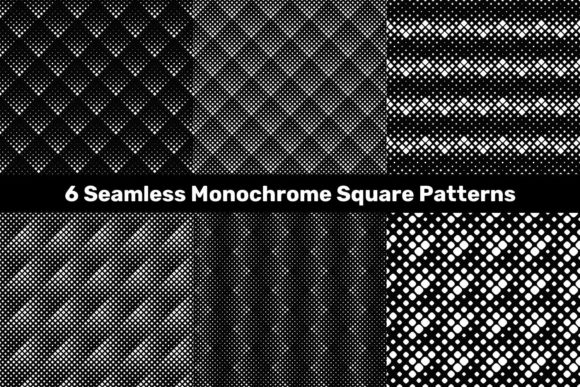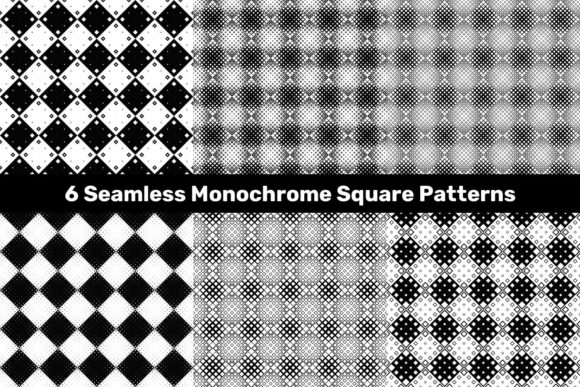
6 Seamless Diagonal Square Patterns: Design Versatility in Monochrome
Designers, content creators, and business owners constantly look for assets that blend style with practicality. A well-crafted set of patterns can transform a project from ordinary to distinctive. The 6 Seamless Diagonal Square Patterns package offers precisely that—a curated collection of monochrome designs built around diagonal and square geometries. Whether you work in branding, digital media, print production, or social content, these patterns provide a flexible foundation that adapts to countless applications.
Understanding the Composition
At first glance, the patterns appear simple, yet each one carries a deliberate structure. Diagonal lines intersecting with square motifs create visual rhythm without overwhelming the viewer. The monochrome palette—black, white, and shades of gray—ensures that the patterns remain neutral enough to complement other design elements while retaining enough character to stand alone. This balance makes the set suitable for backgrounds, textures, overlays, and even primary visual elements when the project calls for understated sophistication.
The package includes six high-resolution JPG files at 5000x5000 pixels, which means you can use them for large-format prints, website headers, or detailed mockups without losing clarity. For those who need scalability and editability, the set also provides six vector EPS and six vector AI files. Vectors allow infinite resizing without pixelation, making them ideal for logos, packaging, signage, and any medium where precision matters. Having both raster and vector formats in one package removes the hassle of converting or searching for complementary assets.
Why Diagonal and Square Patterns Matter Now
Current design trends lean toward geometric minimalism, clean lines, and structured compositions. Brands and content creators seek visuals that communicate clarity, modernity, and reliability. Diagonal square patterns fit naturally into this landscape because they introduce movement and depth while maintaining order. The diagonal element adds a sense of direction and energy, while the square foundation provides stability. This duality appeals to audiences who respond to both creativity and structure—a growing expectation in marketing, web design, and product presentation.
Monochrome design, in particular, has seen a resurgence across industries. From minimalist packaging to sophisticated social media feeds, grayscale palettes convey professionalism and timelessness. By offering these patterns in black, white, and gray, the package allows designers to integrate them into existing color schemes effortlessly. You can also tint or recolor the vector files in Adobe Illustrator or any EPS-compatible software to match brand guidelines without losing the original pattern integrity.
Adapting to Modern Workflows
The way people create and consume visual content has shifted dramatically. Remote collaboration, fast turnaround times, and multi-platform distribution demand assets that are ready to use and easy to modify. This pattern package acknowledges those realities. The high-resolution JPGs work immediately in tools like Canva, Photoshop, or even presentation software, while the vector files accommodate professional workflows in Illustrator, CorelDRAW, or Affinity Designer. For freelancers juggling multiple clients or marketing teams producing content at scale, having a single source of patterns that works across different tools saves hours of production time.
Educators and content creators also benefit from this versatility. A teacher preparing slides for a geometry or design lesson can insert JPGs directly into presentations. A blogger creating a cohesive visual identity for articles can use patterns as section dividers or background textures. The vector formats give advanced users the ability to extract individual elements, adjust stroke weights, or combine patterns for custom compositions.
Practical Applications and Realistic Examples
Consider a business owner launching a new product line. Packaging often requires repeatable patterns that wrap around boxes, bags, or labels. The seamless nature of these diagonal square patterns ensures that when tiles are placed side by side, there are no visible seams or breaks. This quality is essential for fabric printing, wallpaper design, and any surface where continuity matters. The monochrome scheme keeps production costs lower than full-color patterns while still delivering a premium look.
For a social media manager, consistency across posts is key. Using one or two patterns from the set as recurring backgrounds for quote cards, promotional graphics, or story highlights creates a recognizable visual thread. Because the patterns are geometric and neutral, they do not clash with logos, text overlays, or product images. This kind of subtle branding helps audiences associate certain visual cues with a specific account or business.
Bloggers and educators can also use these patterns to improve readability and visual interest. A long-form article with plain white backgrounds may feel bare, but adding a faint diagonal square pattern as a background texture adds depth without distracting from the content. When used sparingly, patterns guide the eye and break up monotony. The high resolution ensures that even at full-screen sizes, the pattern remains crisp and professional.
The Evolution of Pattern Assets
Not long ago, designers had to create patterns from scratch or purchase individually crafted tiles that often came in a single format. That approach limited flexibility and required significant time investment for even minor adjustments. Today, comprehensive packages like this one reflect a more efficient creative economy. Users expect not only beautiful designs but also multiple file types, high resolution, and seamless tiling capabilities. The inclusion of JPG, EPS, and AI formats addresses the reality that different projects demand different tools.
The shift toward minimalism and sustainable design also plays a role. Monochrome patterns reduce visual noise, which aligns with user preferences for cleaner interfaces and simpler aesthetics. Brands adopting this approach signal that they value clarity and intentionality—qualities that resonate with modern audiences who are fatigued by overly complex visuals. The diagonal square geometry adds a contemporary edge that feels fresh without being trend-dependent.
Recommendations for Maximizing the Package
Start by exploring each of the six patterns individually. Notice how diagonal angles and square placements differ across the set. Some patterns may feel more dynamic, while others lean toward subtle texture. Choose patterns based on the mood you want to convey. For professional presentations or corporate collateral, lean toward patterns with tighter spacing and lower contrast. For creative portfolios or lifestyle content, opt for patterns with bolder diagonal lines and more pronounced square elements.
When working with vector files, experiment with scale. A pattern that looks dense at one size might become airy and open when scaled up. Use this to your advantage—large-scale patterns can serve as bold backgrounds, while smaller scales work well for borders, dividers, or subtle texture. Because the vectors are fully editable, you can also rotate the patterns to create diagonal angles that differ from the original orientation, giving you even more variation from a single asset.
For those using JPG files directly, consider layering them with blending modes in photo editing software. Multiply mode with a dark pattern over a colored background creates a sophisticated, tinted texture. Screen mode with a light pattern over a dark background produces a subtle, luminous effect. These techniques extend the utility of the patterns without requiring vector editing skills.
Who Benefits Most
While the package suits a broad audience, certain groups gain particular advantages. Entrepreneurs who handle their own design work can maintain a polished brand identity without hiring a designer for every asset. Freelancers can include these patterns in client projects to add value without extra cost. Marketers can produce consistent, on-brand visuals across campaigns with minimal effort. Educators and hobbyists find the patterns easy to use in non-commercial projects, presentations, or personal creative work.
The set also serves as a teaching tool for those learning vector design. By examining how the patterns are constructed in EPS or AI format, beginners can understand principles of symmetry, repetition, and tiling. Deconstructing and modifying these patterns offers hands-on experience with geometry in design—a skill that transfers to more complex projects later on.
Staying Useful Over Time
Good design assets never go out of style if they are rooted in fundamental visual principles. Diagonal squares and monochrome palettes are not fleeting trends; they are enduring elements of graphic language. As long as people need to organize information, create visual hierarchy, or add texture to surfaces, patterns like these will remain relevant. The package’s high resolution and vector formats also future-proof the files against evolving display standards and production methods.
In a world where content overload makes it hard to capture attention, thoughtful design choices matter more than ever. A well-placed pattern can differentiate a brand, elevate a presentation, or give a social feed a cohesive identity. The 6 Seamless Diagonal Square Patterns package delivers that capability in a ready-to-use, multi-format bundle that respects both creative vision and practical constraints. Whether you are a seasoned professional or just starting to build your visual toolkit, these patterns offer a reliable resource for projects that require elegance, precision, and adaptability.