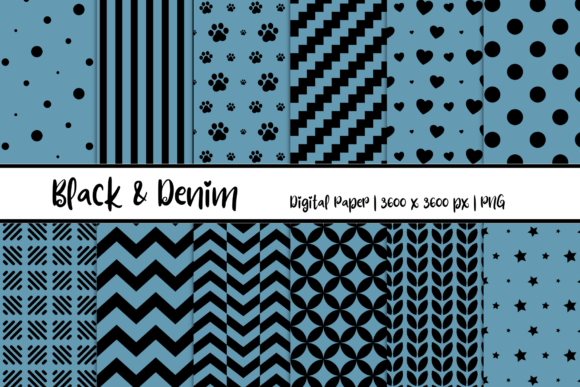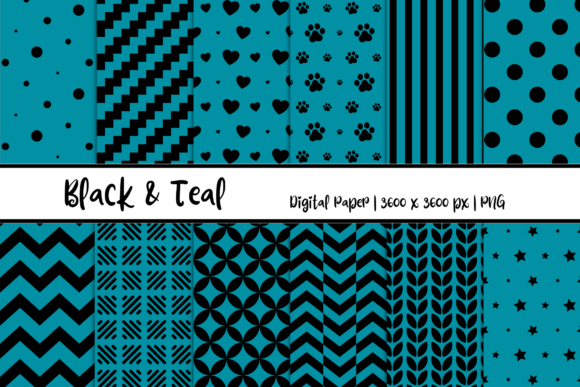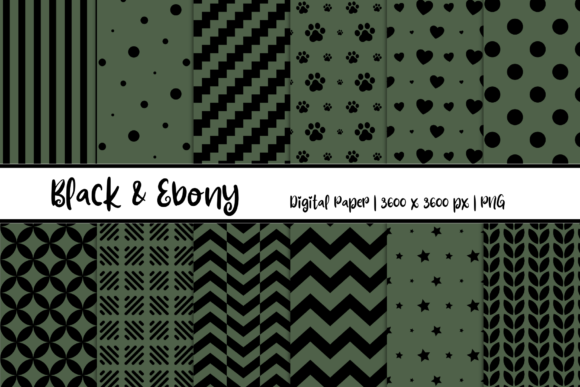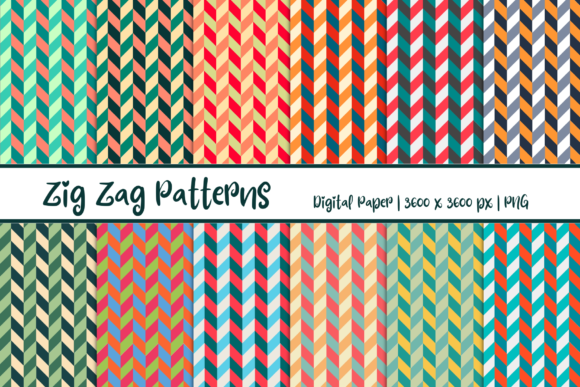
Pixel Patterns Digital Paper: A Practical Workflow Asset for Creators and Professionals
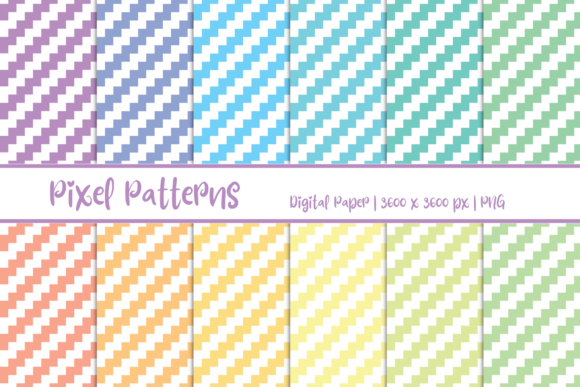
Digital paper sets have quietly become a staple across creative and professional workflows. When you work with visual assets regularly—whether for branding, marketing, event planning, or personal projects—the quality and versatility of your base materials directly affect your output. Pixel Patterns Digital Paper offers a collection of 12 high-resolution PNG files, each 3600 x 3600 pixels, designed to fit seamlessly into a wide range of applications. Understanding where this resource fits into your process, how to prepare it for use, and how to integrate it across different tasks can save you time, improve consistency, and elevate your final work.
What Pixel Patterns Digital Paper Brings to Your Workflow
At its core, this set provides ready-to-use textured and patterned backgrounds. Each file is a standalone PNG, which means you have transparent compatibility with most design software, no layer conflicts, and immediate placement into any project. The 3600 x 3600 pixel resolution is important here—it offers enough detail for print applications like invitations and card creation, while also scaling well for web design, social media banners, and digital presentations. You are not dealing with low-resolution tiles that need repeated filling. Instead, each sheet stands alone as a full-size background or accent element.
For professionals juggling multiple projects, this set reduces the time spent creating or sourcing custom textures. For hobbyists and small business owners, it removes the technical hurdle of designing patterns from scratch. The asset acts as a plug-in resource: download, open, and apply. No additional editing is required unless you choose to customize further.
Pre-Project Preparation: Organizing Your Digital Paper Library
Before you drop any asset into a project, a small amount of front-end organization pays off. Digital paper sets are most useful when you can locate the right pattern quickly, especially under deadline pressure. Start by naming the 12 files in a consistent scheme that reflects pattern style, color family, or intended use. For example, a naming convention like pixel-patterns_geometric_blue or pixel-patterns_watercolor_pastel makes filtering straightforward.
- Create a master folder dedicated to Pixel Patterns Digital Paper. Keep the original PNGs untouched as a source archive.
- Use subfolders or tags by color, pattern type, or project theme if you work across multiple client accounts or personal categories.
- Preview thumbnails in your file manager or design software library so you can scan visually without opening each file.
- Back up the set to cloud storage or an external drive. Losing a unique pattern set mid-project can derail momentum.
This preparation step is often skipped, but it directly affects how efficiently you can move from planning to execution. When every pattern is labeled and organized, you spend less time searching and more time building.
Integration During the Creative Process: Use Cases Across Platforms
The real value of Pixel Patterns Digital Paper emerges when you layer it into different types of work. Because the files are high-resolution PNGs, they work in raster-based editors like Photoshop, GIMP, and Procreate, as well as in layout tools like Canva, Affinity Publisher, and even presentation software such as PowerPoint or Keynote. The following use cases illustrate how this asset fits into common workflows.
Invitations and Card Creation
Event planning often requires a cohesive look across save-the-dates, invitations, thank-you cards, and envelopes. Using one or two patterns from the set as a background or border creates visual consistency without needing to commission custom artwork. For print, the 3600 x 3600 px resolution ensures the pattern remains sharp at sizes up to 12 x 12 inches at 300 DPI. You can overlay text, add a transparent mask for a softer effect, or combine two patterns for a layered look. Keep a master template file where you slot different patterns into a fixed layout—this speeds up production for recurring events like annual galas or seasonal promotions.
Web Design and Social Media Banners
In digital spaces, patterns serve as background textures, section dividers, or decorative elements. For a small business website, a subtle pattern behind a hero section can add depth without overwhelming the content. For social media banners, where the canvas is typically 1500 x 500 px or similar, a single 3600 x 3600 px file gives you room to crop, reposition, and scale without losing quality. You can also use the same pattern across multiple banner sizes to maintain brand consistency across Instagram, LinkedIn, Facebook, and Twitter. If your workflow involves tools like Figma or Sketch, the PNG files import directly as image fills or placed assets.
Scrapbooking and Craft Projects
Digital scrapbooking has moved beyond simple photo arrangement. Patterns are used to create themed pages, background mats, and embellishment layers. Because these files are transparent-capable PNGs, you can stack them without background interference. For physical scrapbooking, print the patterns on quality paper and cut to size. The 3600 px dimension allows for full-page prints at standard scrapbook sizes. If you design digital kits for sale, Pixel Patterns Digital Paper can serve as a foundation for creating cohesive sets—just ensure you follow the license terms regarding redistribution.
Graphic Design and Branding Mockups
When building brand identity presentations or client pitch decks, patterns add a layer of polish. Use a pattern as a subtle background for mood boards, or as a fill for product mockups like notebooks, wrapping paper, or fabric samples. Because the set includes 12 distinct designs, you can show variety without needing multiple source files. For efficiency, create a master mockup file with smart objects or linked layers—swap the pattern file in seconds to generate different looks for client review.
Post-Project Workflow: Archiving and Reuse
After a project is delivered, the patterns remain valuable for future work. Consistent reuse of the same set across multiple projects can help build a recognizable visual style, especially if you are a freelancer or small business owner. Archive completed project files with the pattern layer preserved, so you or a collaborator can revisit and adapt them later. If you design templates for sale or client use, note which patterns were used in the documentation so that buyers or team members can match assets correctly.
Long-term storage is straightforward: keep the original folder structure, update your backups periodically, and consider creating a usage log if you work with many pattern sets. This log can list which patterns were used in which projects, making cross-referencing fast during website refreshes or rebranding efforts.
Practical Implementation Tips for Smooth Integration
Working with digital paper assets is generally straightforward, but a few specific practices will help you avoid common friction points.
- Check resolution before scaling up. 3600 x 3600 px is generous, but if you need a pattern for a large-format banner or backdrop, test scaling in your software to ensure the texture remains acceptable. For most standard uses, no upscaling is needed.
- Use blending modes. When placing a pattern behind text or other graphics, try Multiply, Overlay, or Soft Light in your design software. These modes let the pattern show through without overpowering foreground content.
- Create a color palette from the patterns. If you are building a brand or event identity, extract accent colors from the patterns using an eyedropper tool. This ensures all added elements harmonize with the background.
- Batch process if needed. If you need to resize, recolor, or convert patterns for a specific use, use batch processing tools in Photoshop or free alternatives like GIMP. This keeps each pattern consistent across variations.
- Test print one sample. Before committing to a full print run of invitations or cards, print one sample on your target paper stock. This confirms the pattern reproduces as expected, especially if you plan to use it as a full background.
Quality Control and Consistency Across Deliverables
When you use the same digital paper set across multiple deliverables—website, social media, print, and presentation—you create a cohesive visual experience. But consistency also depends on how you manage color profiles. The PNG files likely come in sRGB, which is standard for web and acceptable for most print workflows. If your print project requires CMYK, convert the pattern in your design software and check for color shifts. For long-term consistency, keep a reference document showing each pattern at a standardized size, along with its color values, so you can match it across different software tools and output methods.
Efficiency and Long-Term Value
Pixel Patterns Digital Paper is not a one-use resource. Over time, a well-organized set of 12 patterns can serve dozens of projects. For a freelance graphic designer, it might appear in client branding proposals, social media templates, and event collateral across an entire year. For a blogger, the patterns can become recurring visual elements in featured images, email headers, and lead magnets. The key to maximizing value is treating the set as a system component rather than a single-use download. Store it properly, document your usage, and integrate it into your standard asset library.
When you approach digital resources this way, you reduce redundancy, speed up your creative process, and maintain a polished output even under tight timelines. The patterns themselves are the starting point—how you prepare, apply, and reuse them determines their real impact on your work.
Final Observations on Integrating Digital Paper into Your Routine
The most effective workflows are built on reliable assets that require minimal adjustment. Pixel Patterns Digital Paper fits that description: high resolution, transparent PNG format, and a variety of designs that cover multiple use cases. Whether you are planning a wedding invitation suite, refreshing a client website, designing a scrapbook album, or creating social media content for a small business, this set can reduce the time you spend on background generation and let you focus on composition, messaging, and user experience. Take a few minutes to organize the files before your next project, and you will find that the patterns integrate naturally into whatever creative process you follow.