Mandala with Twin Batik Patterns: A Versatile Design for Modern Creators
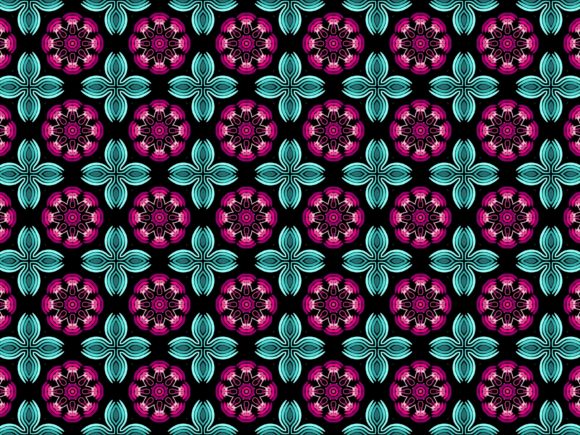
Few design traditions carry the cultural depth and visual richness of batik, and when paired with the symmetry of a mandala, the result is something truly distinctive. The Mandala with Twin Batik Patterns is not simply another decorative motif. It represents a convergence of heritage craft and contemporary digital utility. For designers, event planners, small business owners, and anyone working with visual content, this pattern offers a rare combination of artistic authenticity and practical flexibility. Whether you are preparing wedding stationery, crafting a tablecloth collection, or designing henna templates, this pattern provides a foundation that is both beautiful and adaptable.
What Makes the Mandala with Twin Batik Patterns Stand Out
At its core, a mandala is a geometric configuration of symbols, often representing the universe in Hindu and Buddhist traditions. Batik, originating from Indonesia, is a wax-resist dyeing technique that produces intricate, flowing patterns. When these two traditions merge in a twin batik arrangement, the result is a design that balances radial symmetry with organic, handcrafted texture. The Mandala with Twin Batik Patterns is not just a single motif; it is a coordinated pair of mirrored or complementary designs that amplify the sense of harmony and repetition. This duality makes the pattern especially suited for large-scale applications such as tablecloths or wall hangings, where continuity matters.
What elevates this pattern beyond typical clip art is the vector format. Provided as both JPEG and AI files, the design retains crisp edges and infinite scalability. You can print it on a business card or scale it up for a wedding backdrop without losing quality. For creators who work across multiple media, this file format flexibility eliminates the need to redraw or re-engineer the artwork for each new project.
Why This Pattern Matters Now: Trends in Craft, Commerce, and Culture
The resurgence of interest in traditional patterns among younger audiences is not accidental. In an era dominated by minimalism and digital uniformity, handmade and heritage-inspired designs offer a sense of authenticity and warmth. The Mandala with Twin Batik Patterns fits neatly into several converging trends:
- Handcraft aesthetics in digital products: Consumers increasingly seek items that look and feel artisanal, even when produced digitally. This pattern bridges that gap.
- Cultural appreciation through design: As global audiences become more culturally literate, motifs like batik are embraced not as exotic decorations but as meaningful art forms deserving of respect and accurate representation.
- Multi-purpose design assets: Freelancers and small business owners cannot afford to stock separate graphics for every project. A single vector file that works for printing, cutting, and digital display is a practical necessity.
- Rise of print-on-demand and home studios: With more people running small-scale production from home, having a cut-ready vector pattern saves hours of manual tracing and adjustment.
These shifts are not fleeting. The way people work, create, and decorate their spaces has changed permanently. The demand for flexible, culturally grounded design assets is likely to grow as more entrepreneurs and hobbyists enter the market.
Practical Applications Across Industries and Projects
The versatility of the twin batik mandala is its strongest asset. Below are several realistic ways this pattern can be integrated into professional and personal work, along with considerations for each use case.
Wedding and Event Supplies
Weddings are one of the most design-intensive life events. From invitations and seating charts to table runners and cake toppers, consistency across materials creates a polished look. The Mandala with Twin Batik Patterns works beautifully as a recurring theme because its symmetry naturally frames text and focal points. For a Hindu or spiritually themed wedding, the mandala element resonates with deeper meaning. For a boho or garden wedding, the batik texture adds an organic, hand-drawn feel. Because the file is vector-based, you can extract individual elements, recolor them, or scale them to fit any item without starting from scratch.
Henna and Body Art Templates
Henna artists can use this pattern as a stencil or inspiration for freehand application. The twin batik arrangement offers balanced compositions for both hands or both feet, which is a common requirement in bridal henna. Since henna paste requires precision, having a clear, high-resolution guide in AI format allows artists to print templates at exact size, trace them onto skin safely, and maintain symmetry without guesswork. For digital henna designers, the vector file can be used to create transfer paper layouts or digital previews for clients.
Textile and Home Decor
For anyone working with fabric, from knits to tablecloths, the Mandala with Twin Batik Patterns provides a repeatable design that holds up under production. Because batik originates as a textile art, the pattern already feels at home on fabric. Whether you are screen-printing a limited run of cushion covers, weaving a jacquard tablecloth, or knitting a geometric throw, the twin motif can be adapted to the medium. Digital textile printing services accept AI files directly, making the transition from screen to fabric seamless. One practical tip: when designing for fabric, always test the pattern at full scale on a sample swatch before committing to bulk production.
Stationery and Paper Goods
Notebooks, greeting cards, wrapping paper, and planners benefit from intricate cover designs that stand out on shelves. The twin batik mandala can be used as a central motif on a front cover or as a subtle background pattern when faded to a lighter opacity. For small paper goods businesses, having one versatile pattern that works across multiple products simplifies inventory and branding. You can build an entire aesthetic around this single design, from sticker sheets to letterpress cards, without confusing customers with mismatched visuals.
Digital Assets and Social Media
Even purely digital projects can use this pattern. Bloggers and content creators can employ it as a watermark, a divider between sections, or a background for quote graphics. Because the file is provided in JPEG, it is ready for immediate upload to social media or websites. For more advanced editing, the AI file gives you control over every anchor point and curve, so you can create custom variations for different platforms while maintaining brand consistency.
File Formats and Why They Matter for Your Workflow
The availability of both JPEG and AI formats is not an afterthought. Each serves a distinct purpose, and understanding the difference helps you use the Mandala with Twin Batik Patterns more effectively.
- JPEG file: Ideal for quick previews, social media posts, printing at fixed sizes, and sharing with clients who do not have vector software. It is a raster format, meaning its resolution is fixed, but at high quality it works well for most standard print sizes.
- AI file: A native Adobe Illustrator vector format. This allows infinite scaling, easy recoloring, and precise cutting for vinyl, laser, or craft cutters. For professionals who need to modify the pattern, extract motifs, or combine it with other elements, the AI file is indispensable.
If you are using a cutting machine such as Cricut or Silhouette, the AI file can be exported as SVG or DXF directly from Illustrator, saving you the step of manually tracing the design. For print-on-demand services that accept vector files, the AI format also ensures the sharpest output across all product sizes.
Practical Recommendations for Getting the Most Out of This Pattern
Whether you are a seasoned designer or a hobbyist just starting out, a few considerations can help you use the Mandala with Twin Batik Patterns more effectively:
- Test color variations early. The pattern may look dramatically different when printed in gold foil versus black ink. Use the AI file to experiment with color palettes before settling on production.
- Consider the substrate. A pattern that works on smooth cardstock may lose definition on textured fabric. Always print a test piece on the actual material you plan to use.
- Scale matters more than you think. A mandala that looks balanced on a tablet screen can feel cramped on a tablecloth. Print at several scales and view them in the intended setting before finalizing.
- Combine with simple typography or negative space. Because the twin batik pattern is intricate, pairing it with clean sans-serif fonts or plenty of breathing room prevents visual overload.
- Respect the cultural origins. Batik is a protected cultural heritage in Indonesia. Use the pattern in contexts that honor its history rather than trivializing it as a generic trend.
Why This Pattern Aligns with Modern Creative Practices
Today's creators operate at the intersection of tradition and technology. They want designs that carry meaning but also work seamlessly with modern tools. The Mandala with Twin Batik Patterns satisfies both needs. It respects the complexity of batik and the discipline of mandala geometry while being packaged in clean, ready-to-use file formats. For entrepreneurs who cannot spend hours redrawing artwork, for artists who need a reliable base for custom work, and for anyone who values efficiency without sacrificing beauty, this pattern represents a practical asset.
In a market flooded with generic vector bundles, the twin batik mandala stands out because it is not generic. It offers a specific visual character that evokes tradition, balance, and craftsmanship. That kind of intentionality resonates with audiences. Whether you are selling finished products or using the pattern to elevate your own brand, the result is a design that feels considered, not random.
Final Thoughts on Working with Mandala and Batik Combinations
The appeal of the Mandala with Twin Batik Patterns lies in its adaptability. It can anchor a wedding suite, inspire a henna session, or form the basis of a textile collection. Its dual file format ensures that both digital and physical workflows are supported without extra steps. As more creatives seek designs that are both culturally rich and practically efficient, patterns like this one will continue to find new applications.
Approach the pattern with respect for its origins, experiment with its scaling and coloration, and let the natural symmetry of the twin design guide your layout decisions. The best results come when you treat the pattern as a partner in the creative process rather than a pre-made stamp. With the right application, a single mandala batik pattern can become the recurring visual anchor that defines an entire project or product line.